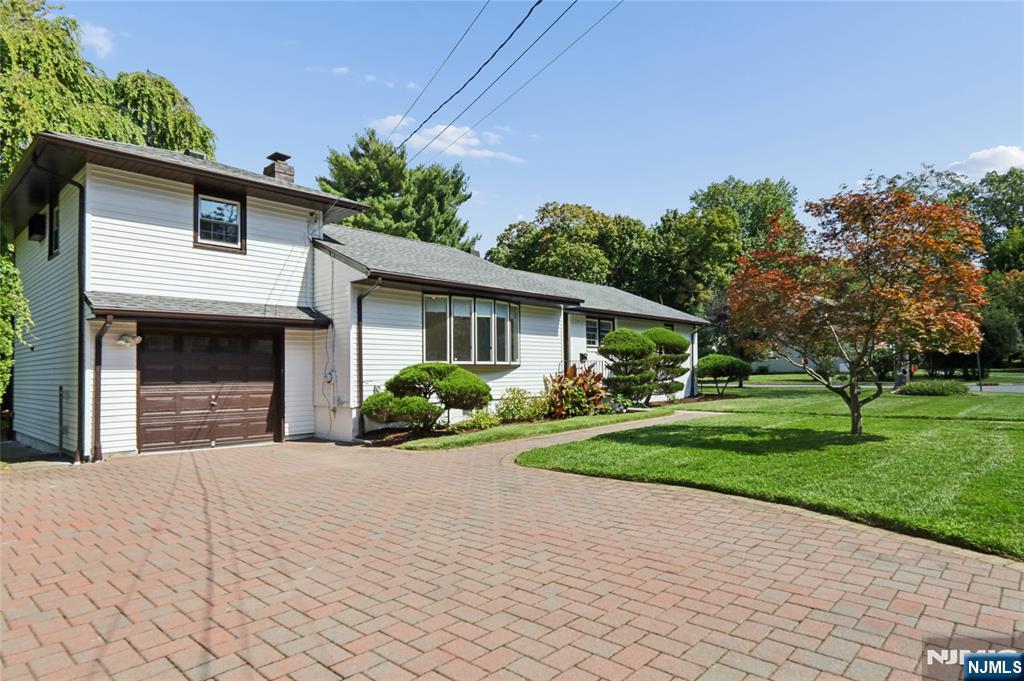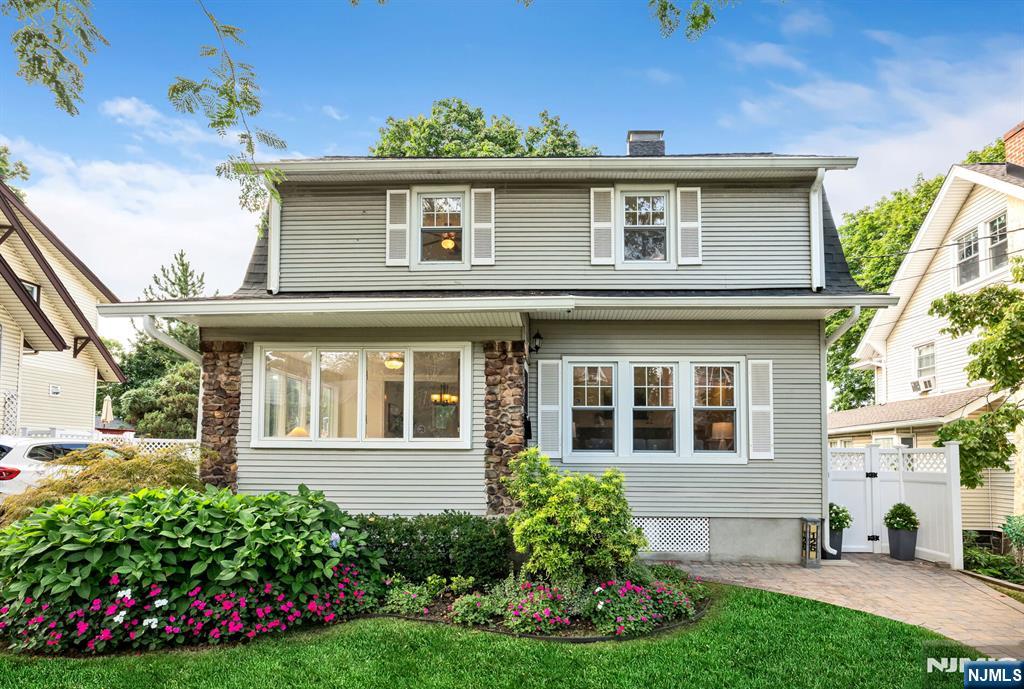
Yesterday the Federal Reserve did something it hasn't done in three years: it raised interest rates. Here's a plain-English breakdown of what happened at the September 16 meeting, why the Fed moved, and, more importantly, what it means if you're buying or selling a home in Bergen or Hudson County this fall.
What happened
The Federal Open Market Committee (FOMC) raised the target range for the federal funds rate by a quarter point, to 3.75%–4.00%, from 3.50%–3.75%. The vote was unanimous, 12–0, after three members had already pushed for a hike at the July meeting.
It's the first increase since July 2023. The two years in between were a run of cuts that took the Fed's rate down from a peak of 5.25%–5.50%. That easing cycle is now officially over.
In its statement, the Fed described an economy that is "expanding at a solid pace," with resilient consumer spending, strong productivity growth, and robust business investment. Job gains have "kept pace with the workforce," and unemployment has "changed little." The problem is the other half of the Fed's mandate: "Inflation remains elevated," the committee said, and yesterday's move "will support a timelier return to the Committee's 2 percent goal."
Fed Chair Kevin Warsh put it bluntly in a short press conference afterward: "Price stability is foundational to economic growth, and I think we took an important step today to deliver it."
Why the Fed hiked
The short version: inflation stopped falling and started drifting the wrong way. The Fed's own updated projections tell the story.
- Inflation (PCE) is now expected to finish 2026 at 3.7%, with core inflation at 3.4%, well above the 2% target. Officials expect it to settle back toward 2.3% in 2027.
- Growth is projected at a healthy 2.3% this year, and unemployment is expected to hold around 4.1%.
- The statement also flagged "elevated" uncertainty tied in part to geopolitical developments, which have kept pressure on energy prices.
In other words, the economy is strong enough to absorb higher rates, and inflation is sticky enough that the Fed felt it had to act.
Is another hike coming?
Probably. The updated "dot plot," where each official pencils in where they think rates should be, shows 16 of 18 participants expect at least one more increase before the end of 2026, and four of them see two. The median projection puts the rate at about 4.1% at year-end, and holds it there through 2027 before it eases in 2028.
Markets took the hint. By the close, traders were pricing in roughly another quarter point of tightening this year.
What this means for mortgage rates
This is the part everyone asks about, so let's be precise: the Fed does not set mortgage rates. The 30-year fixed tracks the 10-year Treasury yield, and the 10-year actually dipped about 4 basis points yesterday, because the hike had been widely expected and was already priced in.
Where do rates stand right now?
- Freddie Mac's weekly average for a 30-year fixed was 6.76% heading into the meeting, up from around 6.6% in early summer.
- Daily rate sheets have been running hotter: Mortgage News Daily showed the 30-year above 7.1% in the days before the decision.
What matters for the next few months is not yesterday's quarter point but the message behind it: a Fed that's willing to keep tightening until inflation is clearly back under control. That keeps a floor under mortgage rates. The spring "rates will fall by fall" hope is off the table for now, and buyers should plan around rates in the high-6s to low-7s through the end of the year.
The math on a Bergen County home
Take a typical Bergen County purchase: a $700,000 home with 20% down, so a $560,000 loan.
| 30-year fixed rate | Principal and interest |
|---|---|
| 6.76% | about $3,636 per month |
| 7.19% | about $3,797 per month |
That's roughly $160 a month between the weekly average and the daily quotes buyers are seeing, before taxes and insurance. Real money, but not the kind of gap that should change whether you buy. It's the kind of gap that should change how you buy.
If you're buying in Northern NJ
- Refresh your pre-approval this week. Lenders will re-price. Knowing your actual monthly number at today's rate is the single most useful thing you can do.
- Lock when the payment works. With the Fed signaling more hikes, waiting for a better rate carries more risk than it did in the spring. If a lender offers a float-down option, take it.
- Ask about buydowns. Temporary 2-1 buydowns and seller-paid points are back in negotiations. In a market where sellers still hold the cards, a rate credit is often easier to win than a price cut.
- Don't expect a buyer's market. Bergen and Hudson inventory is still extremely tight. Higher rates thin out the casual competition, but well-priced homes in Fort Lee, Cliffside Park, Edgewater, Ridgewood, Hoboken and Jersey City are still drawing multiple offers.
If you're selling
- Price to the payment, not to last spring. Buyers are budget-constrained by rate, and they can see the monthly number on every listing. Homes priced right are still going quickly. Homes priced for a 6% world will sit.
- Expect more rate-related asks. Requests for closing-cost credits or a buydown are normal now. Decide in advance what you're willing to do, and treat a credit as a negotiating tool rather than an insult.
- Move-in ready wins. When money is more expensive, buyers have less appetite for renovation budgets. Prep and presentation matter more than they did a year ago.
- Fall is a real season here. The buyers out in October and November are serious. Fewer showings, better offers.
The bottom line
The Fed's first hike in three years is a signal, not a shock. Mortgage rates barely moved on the day, but the path forward is "higher for longer" until inflation cooperates. For Northern NJ, that means the same fundamentals with a slightly sharper edge: too few homes, plenty of demand, and a bigger reward for buyers and sellers who plan around the payment instead of hoping for a rate they can't control.
If you want a personalized read on what yesterday's decision means for your budget, your home's value, or your timing, reach out to the Elevate Realty team. We'll run the real numbers for your town and your price point.
Sources: Federal Reserve FOMC statement and Summary of Economic Projections, September 16, 2026; Freddie Mac Primary Mortgage Market Survey (week of September 10, 2026); Mortgage News Daily. Rates change daily; contact us for current figures.